

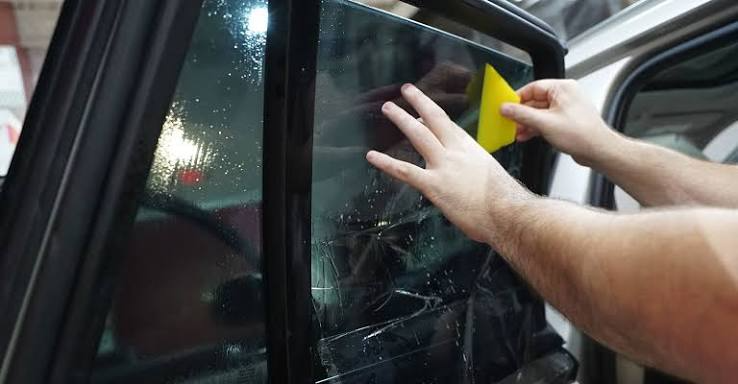
Window tinting offers more than just a sleek appearance. It helps reduce interior heat, blocks harmful UV rays, improves privacy, and minimizes glare while driving. However, before installing window film on your vehicle, it is essential to understand that window tint laws vary significantly across the United States.
What is legal in one state may result in a ticket or failed inspection in another.
This guide explains the most important window tint regulations, key terminology, and how to read a state tint chart so you can choose the right film and stay compliant wherever you drive.
Every state establishes its own window tint regulations to balance driver comfort, privacy, and road safety.
Excessively dark window tint can reduce visibility, especially at night or during poor weather conditions. It may also make it difficult for law enforcement officers to see inside a vehicle during traffic stops.
Failing to comply with your state’s tint laws can lead to:
Before booking a window tint installation, always verify your state’s current regulations.
Window tint laws can seem confusing if you’re unfamiliar with the technical terms used in state regulations.
Visible Light Transmission, or VLT%, measures how much visible light passes through your window glass and tint film combined.
The lower the VLT percentage, the darker the tint.
For example:
If your state requires a minimum of 35% VLT on front side windows, installing 20% tint would violate the law.
The AS-1 line is a small marking found near the top edge of most windshields.
Many states allow non-reflective tint only above the AS-1 line or within a specified number of inches from the top of the windshield.
The purpose of this rule is to preserve driver visibility while still allowing a sun strip for glare reduction.
Most states prohibit full windshield tinting.
Typically, only the upper portion of the windshield may be tinted, either above the AS-1 line or within a designated strip measuring between four and six inches.
Medical exemptions may apply in certain states for drivers with qualifying health conditions.
Some window films contain metallic or mirrored finishes that reflect sunlight.
Many states limit or prohibit reflective tint because it can create visibility issues for other drivers.
Reflectivity limits vary widely, so always check local regulations before selecting a film.
Several states require dual side mirrors if rear windows are tinted below a certain VLT percentage.
This requirement helps maintain visibility when rear glass is heavily tinted.
State | Front Side VLT | Rear Side VLT | Rear Window VLT | Windshield Rule | Key Restrictions |
Alabama | 32% | 32% | 32% | Top 6 inches | Reflectivity under 20% |
Alaska | 70% | 40% | 40% | Top 5 inches | No metallic or mirrored tint |
Arizona | 33% | Any | Any | AS-1 line | No red or amber tint |
Arkansas | 25% | 25% | 10% | Top 5 inches | No metallic or mirrored tint |
California | 70% | Any | Any | Top 4 inches | No reflective, red, amber, or blue tint |
Colorado | 27% | 27% | 27% | Top 4 inches | No metallic or mirrored tint |
Connecticut | 35% | 35% | Any | AS-1 line | Dual side mirrors required |
Delaware | 70% | Any | Any | AS-1 line | No metallic or mirrored tint |
Florida | 28% | 15% | 15% | AS-1 line | Dual side mirrors required |
Georgia | 32% | 32% | 32% | Top 6 inches | No red or amber tint |
Hawaii | 35% | 35% | 35% | No windshield tint | No metallic or mirrored tint |
Idaho | 35% | 20% | 35% | AS-1 line | Dual side mirrors required |
Illinois | 35% | 35% | 35% | Top 6 inches | Dual side mirrors required |
Indiana | 30% | 30% | 30% | AS-1 line | Reflectivity under 25% |
Iowa | 70% | Any | Any | AS-1 line | No excessive reflection |
Kansas | 35% | 35% | 35% | AS-1 line | No metallic or mirrored tint |
Kentucky | 35% | 18% | 18% | AS-1 line | Reflectivity under 25% |
Louisiana | 40% | 25% | 12% | AS-1 line | Reflective tint under 20% |
Maine | 35% | Any | Any | Top 4 inches | Dual side mirrors required |
Maryland | 35% | 35% | 35% | Top 5 inches | No red, yellow, or amber tint |
Massachusetts | 35% | 35% | 35% | Top 6 inches | Dual side mirrors required |
Michigan | No tint below top 4 inches | Any | Any | Top 4 inches | Reflectivity under 35% |
Minnesota | 50% | 50% | 50% | No windshield tint | Reflectivity under 20% |
Mississippi | 28% | 28% | 28% | AS-1 line | Reflectivity under 20% |
Missouri | 35% | Any | Any | AS-1 line | Dual side mirrors required |
Montana | 24% | 14% | 14% | AS-1 line | Reflectivity under 35% |
Nebraska | 35% | 20% | 20% | Top 5 inches / AS-1 | No red, yellow, or amber tint |
Nevada | 35% | Any | Any | AS-1 line | No special restrictions |
New Hampshire | No front side tint | 35% | 35% | Top 6 inches | Dual side mirrors required |
New Jersey | No front side tint | Any | Any | No windshield tint | Dual side mirrors required |
New Mexico | 20% | 20% | 20% | Top 5 inches / AS-1 | Dual side mirrors required |
New York | 70% | 70% | Any | Top 6 inches | No metallic or mirrored tint |
North Carolina | 35% | 35% | 35% | AS-1 line | No red, yellow, or amber tint |
North Dakota | 50% | Any | Any | Must allow 70% light | Dual side mirrors required |
Ohio | 50% | Any | Any | Must allow 70% light | Reflectivity under 20% |
Oklahoma | 25% | 25% | 25% | Top 5 inches / AS-1 | Dual side mirrors required |
Oregon | 35% | 35% | 35% | Top 6 inches | No specific colors allowed |
Pennsylvania | 70% | 70% | 70% | No windshield tint | Dual side mirrors required |
Rhode Island | 70% | 70% | 70% | AS-1 line | No major restrictions |
South Carolina | 27% | 27% | 27% | AS-1 line | No reflective tint |
South Dakota | 35% | 20% | 20% | AS-1 line | No metallic or mirrored tint |
Tennessee | 35% | 35% | 35% | AS-1 line | No metallic or mirrored tint |
Texas | 25% | Any | Any | Top 5 inches / AS-1 | Reflectivity under 25% |
Utah | 43% | Any | Any | AS-1 line | Dual side mirrors required |
Vermont | No front side tint | Any | Any | AS-1 line | Dual side mirrors required |
Virginia | 50% | 35% | 35% | AS-1 line | No red, yellow, or amber tint |
Washington | 24% | 24% | 24% | Top 6 inches | Reflectivity under 35% |
West Virginia | 35% | 35% | 35% | Top 5 inches | Reflectivity up to 20% |
Wisconsin | 50% | 35% | 35% | AS-1 line | Dual side mirrors required |
Wyoming | 28% | 28% | 28% | Top 5 inches / AS-1 | Dual side mirrors required |
Because regulations differ across the country, it’s important to review a state-by-state window tint chart before installation.
Your chart should include the following information for each state:
Important: Tint laws change periodically through new legislation and regulatory updates. Always verify current requirements with your state’s Department of Motor Vehicles before installing window film.
Several states permit darker tint levels on front side windows than others.
Some of the most tint-friendly states include:
Rear windows often have fewer restrictions, and many states allow any darkness level for SUVs and vans.
States with stricter regulations generally require lighter tint percentages on front side windows.
Examples include:
Drivers relocating to a new state should review local laws because previously legal tint may no longer comply.
The ideal tint percentage depends on your priorities, local climate, and state regulations.
For most drivers:
Remember that modern ceramic window films can block up to 99% of harmful UV rays regardless of visible darkness.
Not necessarily.
Many drivers assume darker tint automatically provides superior UV protection, but UV rejection depends on film technology rather than tint darkness.
High-quality ceramic films with 70% VLT can block nearly all harmful UV rays while maintaining excellent visibility.
Always look at the film’s UV rejection and infrared heat rejection specifications instead of focusing only on VLT percentage.
Following a few simple steps can help you avoid costly mistakes.
Choose a reputable installer who understands local regulations and ask for documentation showing the film’s VLT rating.
Before installation:
Professional installers can recommend films that deliver heat rejection, privacy, and UV protection while remaining legal.
Window tint is a practical upgrade that improves comfort, privacy, and protection from harmful UV rays. However, understanding your state’s regulations is essential before choosing a film.
Because window tint laws differ throughout the United States, reviewing an up-to-date state tint chart can help you avoid fines and ensure your vehicle remains road legal.
Whether you prefer a nearly transparent ceramic film or a darker privacy-focused tint, selecting the right VLT percentage and working with an experienced installer will help you get the most from your investment.
Always check your local regulations before installation and enjoy the benefits of legal, professionally installed window tint. If you’re ready to grow your business with results-driven SEO, contact us today for a free consultation.
What is the darkest legal window tint in the United States?
There is no single nationwide standard. Some states allow front side windows as dark as 20% VLT, while others require at least 70% VLT. Rear windows often have fewer restrictions.
Can I tint my entire windshield?
No. Most states prohibit full windshield tinting and only allow a non-reflective strip above the AS-1 line or within a specified number of inches from the top.
Does 70% window tint block UV rays?
Yes. Premium window films can block up to 99% of harmful UV rays even when the tint appears nearly transparent.
Can I see clearly through 35% tint at night?
For most drivers, 35% VLT provides a good balance between privacy and visibility. However, nighttime visibility can vary depending on road lighting and individual eyesight.
Do SUVs and trucks have different tint laws?
Yes. Many states allow darker tint on rear side windows and rear windshields for SUVs, vans, and trucks compared to passenger cars. Always check your state’s specific regulations.
I am Shofiul Alam Tanvir, a top-rated Fiverr, SeoClerk and Upwork freelancer and one of the leading advanced SEO experts in the USA. With over five years of dedicated experience, I specialize in delivering high-impact, data-driven search engine optimization strategies.
©2026. Shofiul Alam Tanvir. All Rights Reserved.
Terms & Conditions
Privacy Policy