

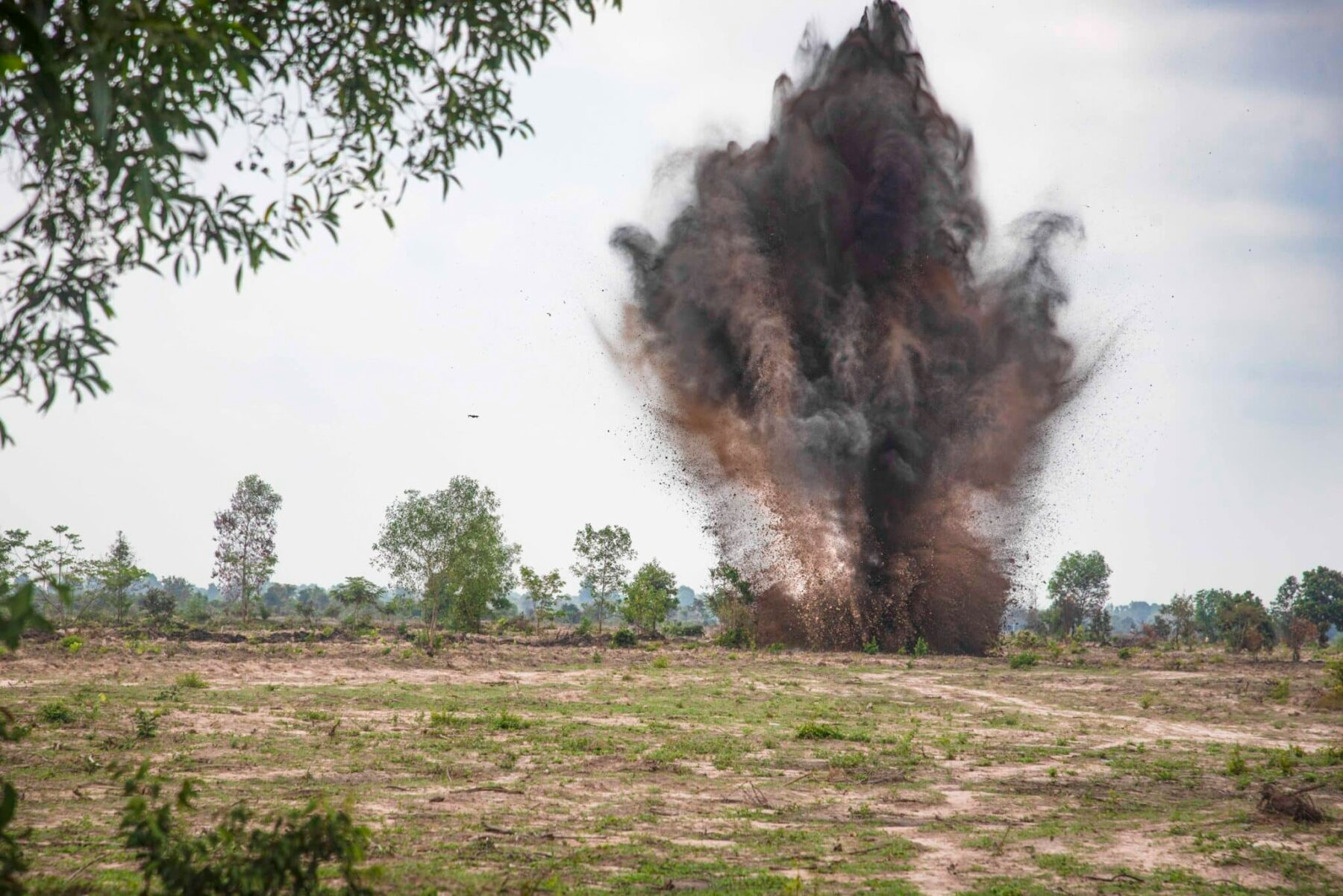
Landmines remain one of the deadliest legacies of conflict. Decades after wars have ended, millions of hidden explosives continue to threaten civilians, block economic development, and delay reconstruction projects around the world. While international treaties and humanitarian demining programs have helped reduce the danger, many countries still face significant contamination from landmines and explosive remnants of war (ERW).
As of 2026, at least 57 countries and territories continue to deal with landmine contamination. Some nations are battling contamination from conflicts that ended generations ago, while others face newly laid mines in active war zones. Understanding where landmines remain and how they affect communities is essential for governments, humanitarian organizations, and companies involved in reconstruction and infrastructure development.
Landmines are designed to remain active for years, sometimes decades, after deployment. Unlike conventional weapons, they do not distinguish between soldiers and civilians. Long after conflicts end, mines continue to injure farmers, children, aid workers, and construction crews.
Contaminated land often prevents communities from farming, building roads, constructing schools, and expanding critical infrastructure. The economic impact can be devastating, especially in countries already recovering from war or political instability.
In addition to traditional landmines, explosive remnants of war such as unexploded artillery shells, rockets, grenades, and cluster munitions create similar dangers.
Several countries are considered among the world’s most severely affected by landmine contamination.
Afghanistan: remains one of the most mine-affected countries globally. Decades of conflict have left vast areas contaminated, impacting millions of residents.
Bosnia and Herzegovina: continues to deal with mines left from the Balkan conflicts of the 1990s. Although significant progress has been made, hazardous areas remain.
Cambodia: has spent decades conducting clearance operations but still faces extensive contamination from past wars.
Ethiopia contains minefields resulting from both internal conflicts and border disputes.
Iraq: remains heavily affected by landmines, improvised explosive devices (IEDs), and unexploded ordnance from multiple conflicts.
Türkiye: continues to address contamination in border regions and former conflict zones.
Ukraine: has become one of the world’s largest mine contamination crises due to the ongoing conflict. Large areas of agricultural land, transportation corridors, and residential zones are affected.
USA: The United States is not considered a landmine-contaminated country in the same way as nations affected by recent wars. There are no widespread civilian landmine fields across the U.S. mainland. However, some former military training areas and testing ranges have contained unexploded ordnance (UXO) and other explosive remnants from past military activities.
The U.S. Department of Defense manages ongoing cleanup programs at former military sites through various environmental restoration initiatives. These projects focus on identifying and removing unexploded munitions to ensure public safety and support future land use.
While the risk to the general public is relatively low compared to heavily contaminated countries such as Afghanistan or Ukraine, UXO clearance remains an important part of military site remediation and environmental management throughout the United States.
Israel: Israel continues to face challenges related to landmines and explosive remnants of war due to decades of regional conflict. Minefields exist in several areas, particularly near borders and in locations associated with past military operations.
Many of these minefields were laid decades ago and are clearly marked and fenced. However, some areas still pose risks to civilians, agricultural workers, tourists, and development projects. The situation is particularly complex in regions such as the Golan Heights and certain border zones where historical military activity has left explosive hazards behind.
The Israeli government and specialized clearance organizations have conducted extensive demining operations to reduce risks and return land to safe civilian use. Despite significant progress, mine clearance remains an ongoing process in several affected areas. Continued survey, risk education, and demining efforts are essential to protecting communities and supporting infrastructure development in the region.
Landmine contamination exists across Africa, Asia, Europe, the Middle East, and parts of Latin America. The following countries and territories continue to report known or suspected contamination from landmines or explosive remnants of war:
Afghanistan, Algeria, Angola, Armenia, Azerbaijan, Bosnia and Herzegovina, Cambodia, Chad, Colombia, Croatia, Cyprus, Democratic Republic of the Congo, Egypt, Eritrea, Ethiopia, Georgia, India, Iran, Iraq, Jordan, Kosovo, Laos, Lebanon, Libya, Mali, Mauritania, Mozambique, Myanmar, Nagorno-Karabakh, Niger, Nigeria, North Korea, Pakistan, Palestine, Peru, Senegal, Somalia, South Sudan, Sri Lanka, Sudan, Syria, Tajikistan, Thailand, Tunisia, Türkiye, Ukraine, Vietnam, Western Sahara, Yemen, Zimbabwe, and several additional territories where contamination remains under assessment or active survey.
Many of these countries face varying levels of contamination. Some have only isolated hazardous areas, while others have millions of square meters of land requiring survey and clearance.
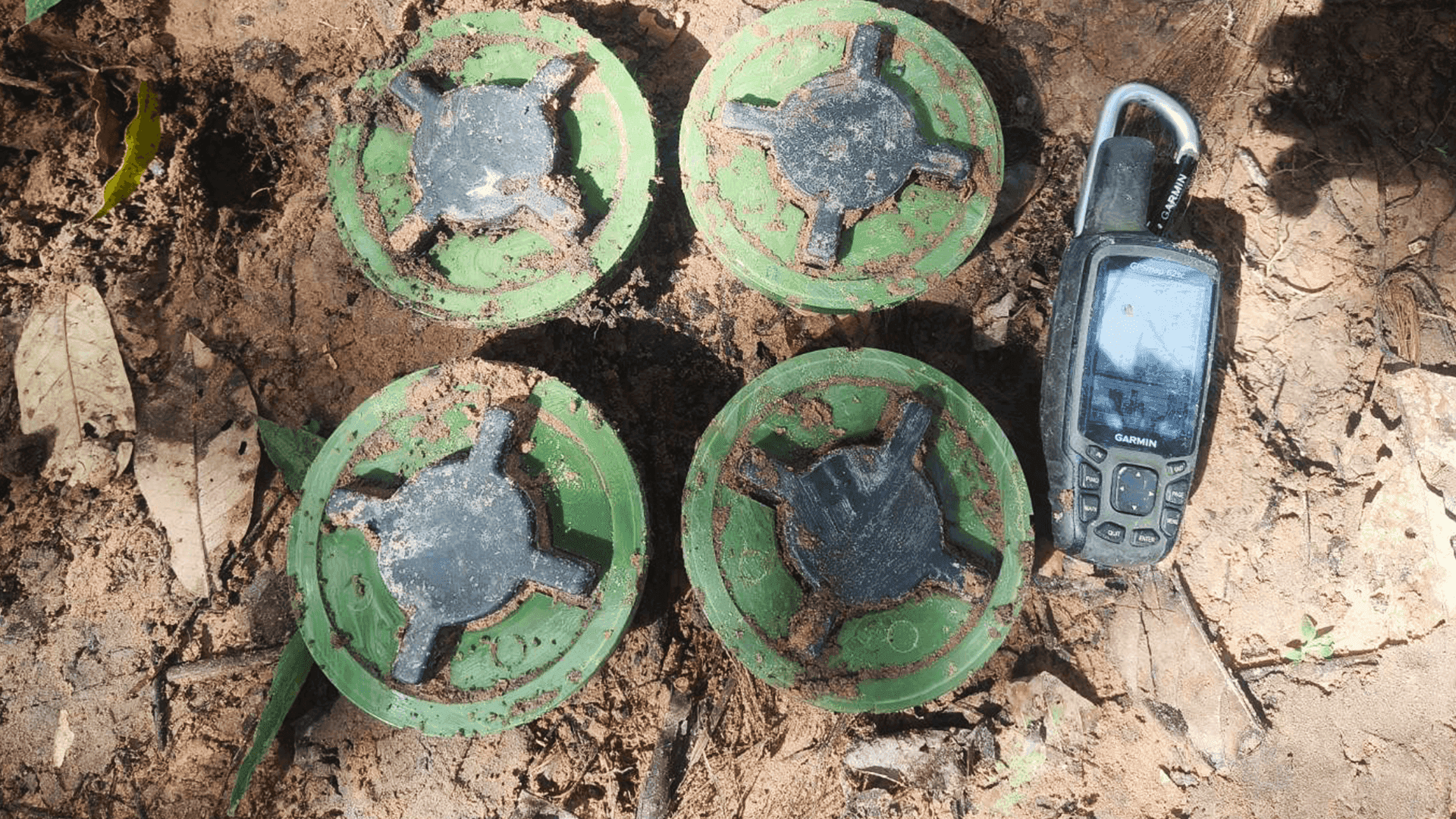
Although global treaties have reduced landmine use significantly, several regions continue to experience active deployment.
The conflict in Ukraine has resulted in widespread new mine contamination, making clearance efforts increasingly complex.
Reports indicate continued use of landmines by military forces in Russia, Iran, Myanmar, and North Korea. Ongoing conflicts and border tensions in these regions contribute to the expansion of hazardous areas.
Newly laid mines create additional challenges because accurate records are often unavailable, increasing risks for civilians and demining teams.
The consequences of landmines extend far beyond physical injuries. Survivors frequently face lifelong disabilities, loss of income, psychological trauma, and limited access to healthcare.
Children are particularly vulnerable because they may not recognize explosive hazards. Rural communities often suffer the most because contaminated farmland reduces agricultural production and food security.
Landmine contamination also affects displaced populations returning home after conflict. Families may find their homes, roads, and community facilities surrounded by dangerous explosive threats.
Landmines create significant barriers to economic recovery. Governments and investors may delay infrastructure projects due to safety concerns. Roads, pipelines, power lines, and housing developments often require extensive surveys before construction can begin.
The costs of clearance can be substantial, but the long-term benefits are even greater. Once contaminated land is cleared, communities can safely expand agriculture, transportation networks, and commercial activities.
Countries emerging from conflict frequently view mine action as a critical step toward sustainable development and investment.
Humanitarian mine action organizations play a crucial role in reducing risks and restoring safe access to land. Their work typically includes:
Surveying suspected hazardous areas, identifying explosive threats, clearing contaminated land, educating communities about risks, and supporting survivors.
Modern demining operations use advanced technologies such as drones, ground-penetrating radar, GIS mapping systems, and specialized detection equipment. These tools improve efficiency while helping teams safely locate hidden explosives.
Organizations involved in mine action often work closely with governments, international donors, and reconstruction agencies to prioritize high-risk areas.
Despite decades of progress, several obstacles continue to slow landmine clearance worldwide.
Ongoing conflicts create new contamination faster than some areas can be cleared. Funding shortages often limit the number of active demining teams. Difficult terrain, weather conditions, and incomplete historical records further complicate operations.
In countries experiencing active warfare, clearance activities may be impossible until security conditions improve.
The scale of contamination in nations such as Ukraine, Afghanistan, Iraq, and Syria means that clearance efforts could continue for many years.
The international community has made remarkable progress in reducing the impact of landmines. Many countries that were once heavily contaminated have achieved significant clearance milestones and restored large areas of land to productive use.
However, the emergence of new conflicts demonstrates that landmines remain a persistent global challenge. Continued investment in humanitarian demining, risk education, victim assistance, and technological innovation will be essential to achieving a safer future.
Governments, NGOs, and specialized mine action organizations must continue working together to eliminate explosive threats and help affected communities rebuild.
So, which country still has landmines? The reality is that many countries across the world continue to face landmine contamination. Nations such as Afghanistan, Cambodia, Iraq, Bosnia and Herzegovina, Ethiopia, Türkiye, and Ukraine remain among the most affected, while dozens of other countries continue to manage hazardous areas left behind by past and ongoing conflicts.
Although significant progress has been made through international cooperation and humanitarian demining efforts, millions of people still live with the threat of hidden explosives. Continued clearance operations, public awareness programs, and investment in mine action remain critical to protecting lives and supporting long-term recovery in affected regions. Contact us today to optimize your Land mine and UXO Clearance website for seo & organic search potential.
I am Shofiul Alam Tanvir, a top-rated Fiverr, SeoClerk and Upwork freelancer and one of the leading advanced SEO experts in the USA. With over five years of dedicated experience, I specialize in delivering high-impact, data-driven search engine optimization strategies.
©2026. Shofiul Alam Tanvir. All Rights Reserved.
Terms & Conditions
Privacy Policy