

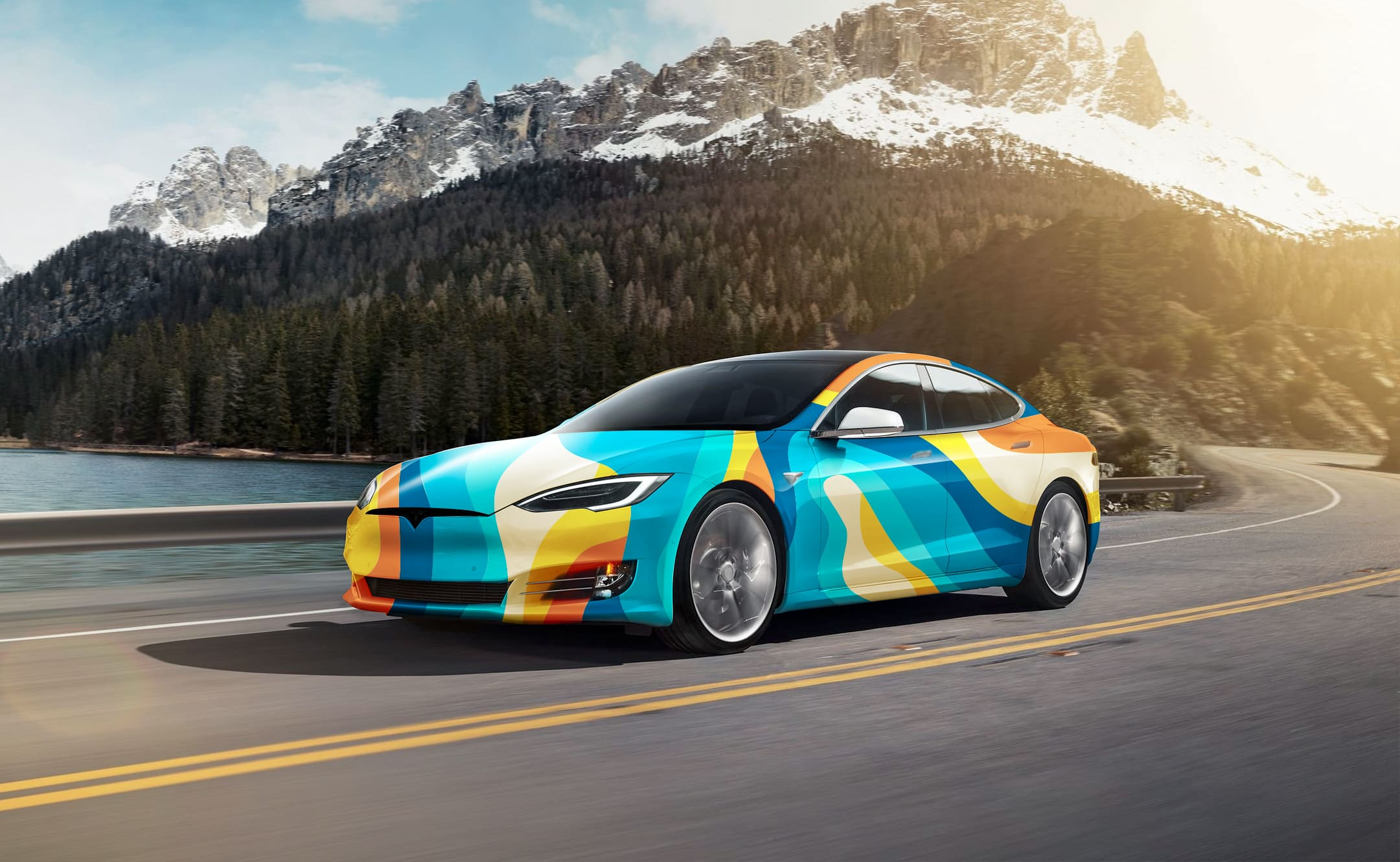
Vehicle vinyl wraps have become one of the most popular ways to customize and protect a car without committing to a permanent paint job. From sleek matte black sports cars to colorful commercial fleet vehicles, wraps offer a flexible solution for both personal and business use.
Whether you’re looking to give your vehicle a completely new appearance, advertise your business, or protect the original paint, understanding how vinyl wraps work can help you decide if they’re the right choice for your vehicle.
A vehicle vinyl wrap is a thin, durable film that is applied directly over a vehicle’s painted surfaces. The film adheres to the body panels and creates a new color, finish, or design while leaving the original paint untouched underneath.
Unlike traditional paint, a vinyl wrap is removable. This means you can change the appearance of your vehicle without making a permanent modification. When properly installed and maintained, a wrap can last for years while helping preserve the factory paint.
The popularity of vehicle wraps has grown significantly because they offer both visual and practical benefits. A wrap allows owners to completely transform their vehicle without the expense and downtime associated with a professional repaint.
Businesses also use vehicle wraps as mobile advertisements. A wrapped company vehicle can generate thousands of impressions every day while traveling through local communities, making it one of the most cost-effective forms of advertising available.
In addition to customization and branding, vinyl wraps provide an added layer of protection against UV rays, road grime, minor scratches, and environmental contaminants.
One of the biggest advantages of vinyl wrapping is the wide variety of finishes available. Vehicle owners are no longer limited to factory paint colors and can choose from countless styles.
Gloss wraps are designed to mimic the appearance of traditional automotive paint. They provide a shiny, reflective finish that enhances color depth and gives vehicles a clean, polished look. Gloss wraps remain one of the most popular choices because they closely resemble a factory finish.
Matte wraps feature a smooth, non-reflective surface that creates a modern and aggressive appearance. By reducing reflections, matte finishes highlight the vehicle’s body lines and contours in a unique way. Matte black remains one of the most sought-after wrap colors in the automotive industry.
Satin wraps offer a finish that sits between gloss and matte. They provide a soft sheen without excessive shine, creating a premium and sophisticated appearance. Many luxury vehicle owners prefer satin finishes because they deliver a distinctive look while remaining elegant and understated.
For drivers who want maximum visual impact, chrome and color-shift wraps provide dramatic results. Chrome wraps create a mirror-like appearance, while color-shift films change color depending on lighting conditions and viewing angles. These specialty wraps are often used on show cars and custom builds.
Textured wraps replicate premium materials such as carbon fiber, brushed metal, or forged carbon. These wraps add depth and character to a vehicle and are commonly used on hoods, roofs, mirrors, and interior trim pieces.
Not all vinyl films are created equal. The two primary categories used in vehicle wrapping are cast vinyl and calendared vinyl.
Cast vinyl is thinner, more flexible, and better suited for wrapping complex curves and contours. Because it conforms easily to vehicle surfaces and resists shrinking over time, it is considered the premium choice for full vehicle wraps.
Calendared vinyl is thicker and generally more affordable. While it performs well on flatter surfaces and short-term applications, it lacks the flexibility and durability required for most full vehicle wraps.
Professional installation begins with thorough cleaning and preparation of the vehicle’s surface. Any dirt, wax, or contamination must be removed to ensure proper adhesion.
The vinyl film is then measured, cut, and carefully applied to each panel. Installers use specialized tools, heat, and precision techniques to stretch the material around curves, eliminate air bubbles, and create seamless edges.
A professional installation typically takes several days depending on the size and complexity of the vehicle.
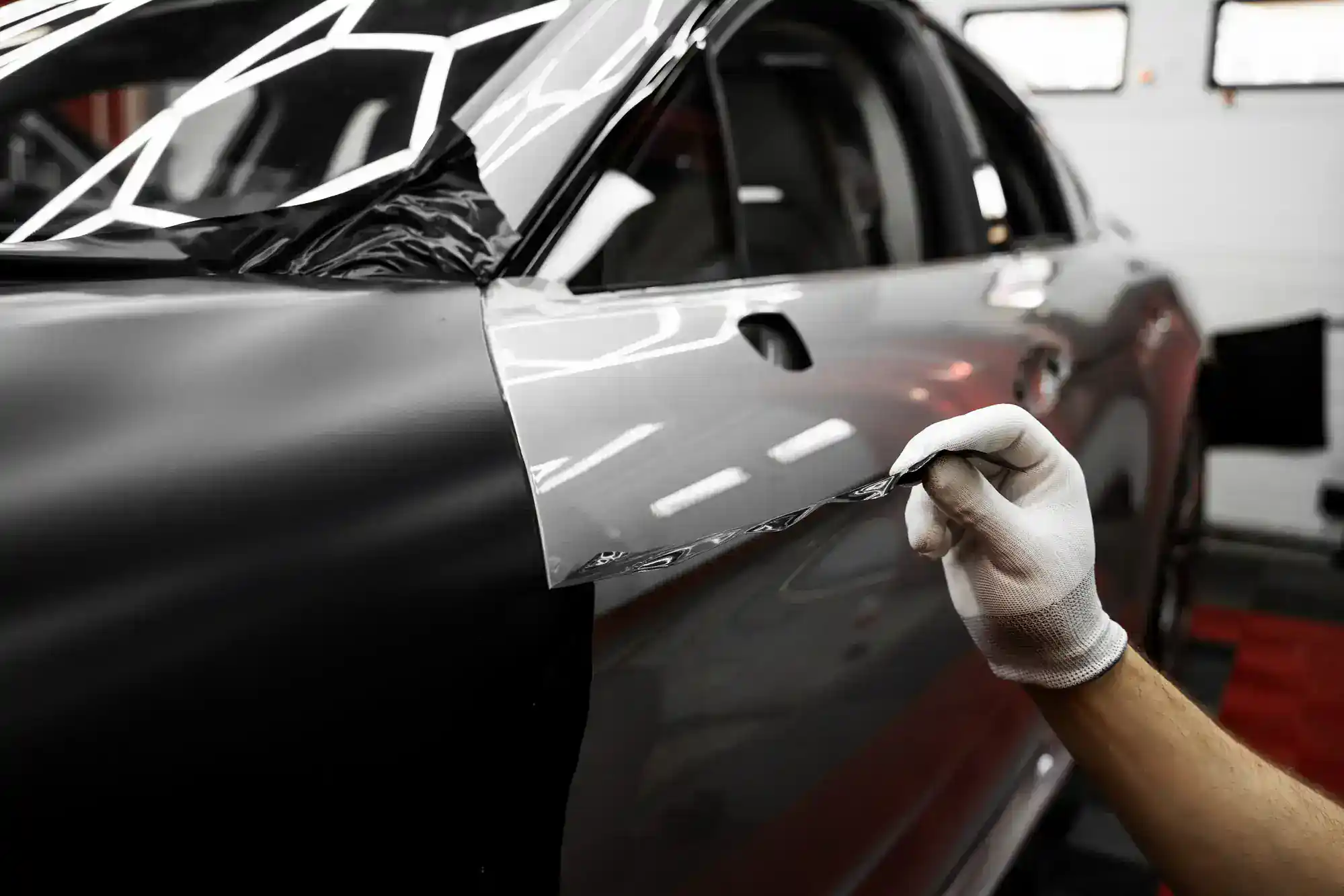
Yes. While vinyl wraps are primarily known for their appearance, they also provide a protective barrier between the environment and your vehicle’s paint.
A quality wrap helps reduce exposure to ultraviolet rays, prevents minor surface scratches, and shields paint from contaminants such as bird droppings, tree sap, and road debris. This added protection can help maintain the vehicle’s appearance and support higher resale value in the future.
The lifespan of a vinyl wrap depends on several factors, including material quality, installation standards, climate conditions, and maintenance habits.
Premium cast vinyl wraps typically last between six and ten years when properly cared for. Vehicles that are regularly cleaned and protected from excessive sun exposure generally enjoy the longest wrap lifespan.
In most cases, a vinyl wrap is more affordable than a high-quality custom paint job. While premium wraps still require a significant investment, they often cost less than professional repainting while offering greater flexibility and customization options.
Another major advantage is reversibility. If you decide to change the vehicle’s appearance or return it to its original condition, the wrap can simply be removed.
Maintaining a wrapped vehicle is relatively simple. Hand washing with a pH-neutral automotive soap is generally recommended. Harsh chemicals, abrasive cleaners, and automatic brush car washes should be avoided, as they can damage the film over time.
Regular cleaning helps preserve the wrap’s appearance and extends its lifespan. Promptly removing contaminants such as bird droppings and bug residue can also prevent staining.
Vehicle vinyl wraps have revolutionized automotive customization by providing a cost-effective, reversible, and highly versatile alternative to traditional paint. Whether you want a bold new color, a premium matte finish, business branding, or additional paint protection, vinyl wrapping offers countless possibilities.
With professional installation and proper maintenance, a high-quality vinyl wrap can transform the appearance of your vehicle while protecting its original finish for years to come. If you’re ready to grow your business with results-driven SEO, contact us today for a free consultation.
What is a vehicle vinyl wrap?
A vehicle vinyl wrap is a specialized adhesive film applied over a vehicle’s exterior to change its appearance, add branding, or protect the original paint.
How long does a vinyl wrap last?
Most premium vehicle wraps last between 6 and 10 years, depending on the quality of the film, installation, and maintenance.
Can a vinyl wrap damage my car’s paint?
No. When installed and removed correctly, a vinyl wrap should not damage factory paint. In many cases, it actually helps protect the paint underneath.
Is wrapping a car cheaper than painting it?
Yes. A vinyl wrap is often more affordable than a professional custom paint job and offers significantly more flexibility for future changes.
Can I wash a wrapped vehicle?
Yes. Hand washing is recommended for wrapped vehicles. Avoid abrasive cleaners and automatic brush car washes to maximize the lifespan of the wrap.
Are vinyl wraps worth it?
For many vehicle owners, vinyl wraps are an excellent investment because they combine customization, paint protection, reversibility, and cost savings compared to traditional paint.
I am Shofiul Alam Tanvir, a top-rated Fiverr, SeoClerk and Upwork freelancer and one of the leading advanced SEO experts in the USA. With over five years of dedicated experience, I specialize in delivering high-impact, data-driven search engine optimization strategies.
©2026. Shofiul Alam Tanvir. All Rights Reserved.
Terms & Conditions
Privacy Policy