

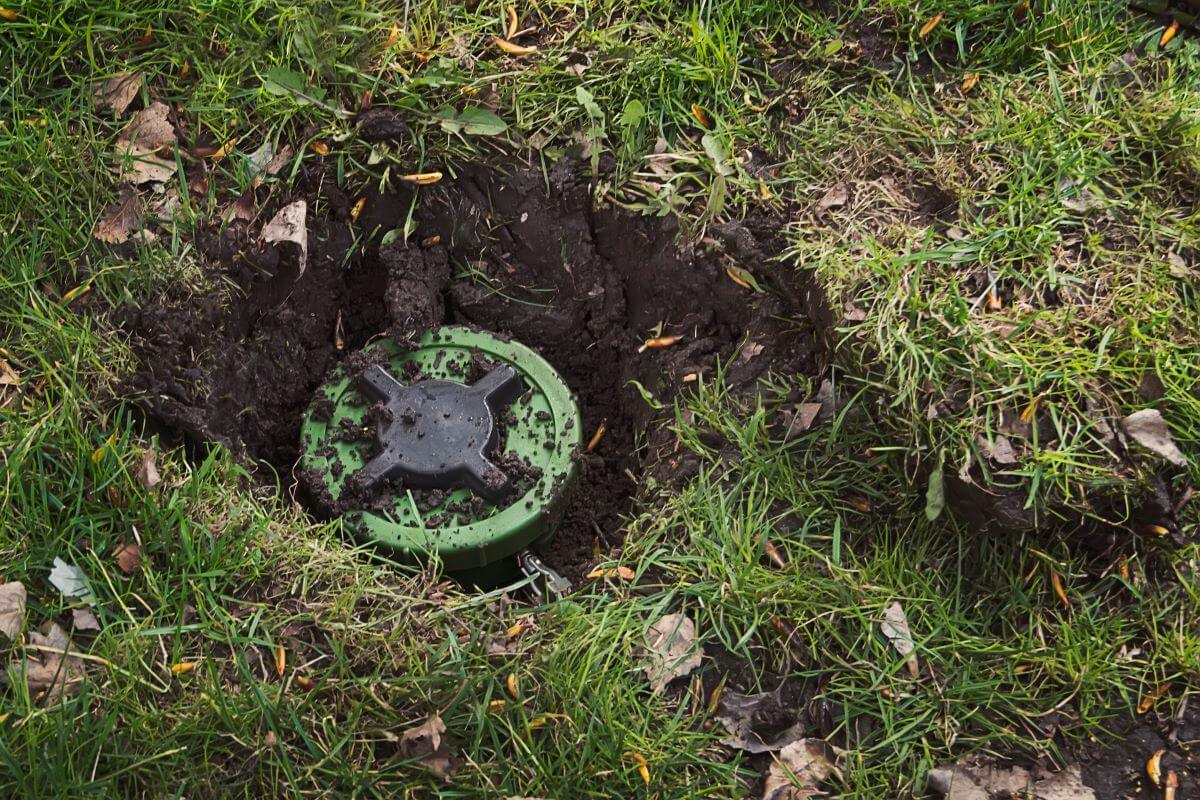
Long after wars and military training exercises have ended, dangerous explosive devices can remain hidden beneath the ground, underwater, or among abandoned structures. These devices, known as Unexploded Ordnance (UXO), continue to pose serious risks to civilians, construction workers, humanitarian organizations, and military personnel worldwide.
Every year, unexploded bombs, artillery shells, grenades, rockets, and other munitions are discovered in former battlefields, military training ranges, and conflict-affected regions. Without proper identification and removal, these explosive hazards can cause injuries, fatalities, and significant project delays.
Understanding what UXO is and how it is managed is essential for anyone involved in land development, infrastructure construction, environmental restoration, or humanitarian operations.
Unexploded Ordnance (UXO) refers to military explosives that were fired, dropped, launched, or otherwise deployed but failed to detonate as intended. These devices remain armed or partially armed and can explode unexpectedly when disturbed.
UXO can remain dangerous for decades because many explosive components are designed to withstand harsh environmental conditions. Even after years underground, these munitions may still contain active explosives and functioning detonators.
The term UXO includes a wide variety of military munitions that have not exploded despite being used during combat operations, military exercises, or weapons testing activities.
Unexploded ordnance can take many forms depending on the conflict or military activity that created the contamination.
Common examples include:
Some UXO items are clearly recognizable, while others may be heavily corroded or buried deep beneath the surface, making them difficult to detect.
Military munitions can fail for several reasons. Manufacturing defects, environmental conditions, improper deployment, or impact failures may prevent a device from detonating.
During large-scale conflicts, thousands or even millions of munitions may be deployed across wide areas. Even a small failure rate can leave substantial numbers of unexploded devices behind.
Military training activities can also create UXO contamination. Training ranges used for live-fire exercises often contain unexploded shells, rockets, and practice munitions that require long-term management and clearance.
One of the most concerning aspects of UXO is its longevity. Unlike many other hazards, explosive ordnance does not necessarily become safe with age.
Environmental exposure can actually increase unpredictability. Corrosion may weaken casings while leaving explosive materials intact. Movement caused by flooding, erosion, construction activities, or agriculture can disturb buried devices and trigger detonation.
Many UXO accidents occur when individuals unknowingly encounter explosive items during routine activities such as farming, excavation, road construction, or land development.
UXO can be found in many environments around the world.
Former battlefields often contain significant concentrations of unexploded military munitions. Areas affected by major conflicts such as World War I, World War II, the Vietnam War, the Gulf Wars, and more recent conflicts continue to report discoveries of UXO.
Military training ranges are another common source of contamination. Even after training facilities are closed, unexploded munitions may remain beneath the surface.
UXO is frequently discovered in:
Many countries continue to deal with UXO contamination from historical and modern conflicts.
Among the most affected nations are Afghanistan, Cambodia, Iraq, Laos, Syria, Ukraine, Vietnam, Bosnia and Herzegovina, Lebanon, and Yemen.
Ukraine has become one of the world’s largest explosive contamination challenges due to ongoing conflict. Laos remains heavily affected by unexploded cluster munitions dating back decades. Cambodia and Vietnam continue to conduct large-scale clearance operations to address contamination from past wars.
Even countries not typically associated with active conflict, including the United States, Germany, France, and the United Kingdom, occasionally discover unexploded wartime munitions during construction and infrastructure projects.
The effects of unexploded ordnance extend far beyond immediate safety concerns.
Communities living near contaminated areas often face restrictions on land use, agriculture, transportation, and development. Farmers may be unable to cultivate productive land safely, while governments may struggle to implement infrastructure projects in hazardous regions.
UXO contamination can also hinder economic growth by discouraging investment and delaying reconstruction efforts.
In post-conflict environments, clearance of explosive hazards is often one of the first requirements for rebuilding homes, schools, hospitals, roads, and utilities.
Construction companies frequently encounter UXO risks when working in former military areas or conflict-affected regions.
Excavation activities can disturb buried munitions, creating immediate dangers for workers and nearby communities. As a result, many projects require specialized UXO risk assessments before construction begins.
A comprehensive UXO management program may include historical research, geophysical surveys, risk mapping, and clearance operations before excavation activities commence.
These proactive measures help prevent accidents, reduce project delays, and ensure regulatory compliance.
UXO surveys are designed to identify potential explosive hazards before they become a threat.
The process typically begins with a detailed review of historical military records, aerial photographs, and conflict data. Specialists then assess the likelihood of contamination and determine appropriate survey methods.
Modern UXO surveys often utilize advanced technologies such as:
These technologies help locate buried anomalies that may indicate the presence of unexploded ordnance.
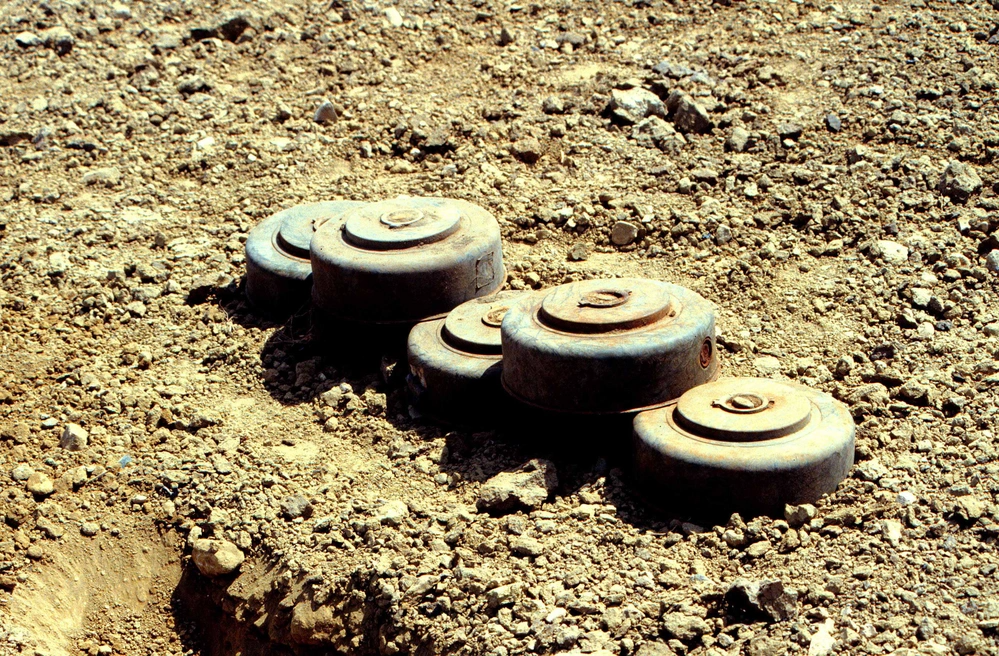
Once suspicious items are identified, qualified Explosive Ordnance Disposal (EOD) specialists evaluate the threat and determine the safest course of action.
Depending on the situation, ordnance may be removed, transported for disposal, or destroyed in place using controlled demolition techniques.
Safety protocols are carefully followed throughout the process to protect personnel, nearby communities, and infrastructure.
Professional UXO clearance operations require extensive training, specialized equipment, and strict adherence to international safety standards.
Managing UXO risks requires expertise, planning, and technical capability. Organizations working in construction, energy, mining, humanitarian assistance, and infrastructure development increasingly rely on professional UXO specialists to ensure safe project execution.
Effective UXO risk management helps:
By identifying and mitigating explosive hazards early, organizations can significantly reduce operational risks.
Technological advancements continue to improve UXO detection and clearance efficiency. Artificial intelligence, drone technology, advanced sensor systems, and data analytics are helping specialists identify hazards more accurately and prioritize clearance efforts.
As conflicts continue to create new contamination challenges, innovative approaches will play an increasingly important role in protecting communities and supporting development initiatives worldwide.
International cooperation, sustained funding, and technological innovation will remain critical to reducing the global impact of unexploded ordnance.
Unexploded Ordnance (UXO) represents one of the most persistent legacies of conflict and military activity. These hidden explosives can remain dangerous for decades, threatening lives, delaying development, and restricting access to valuable land.
From former battlefields to construction sites and military training areas, UXO continues to affect communities across the globe. Through professional surveys, risk assessments, and clearance operations, governments and specialized organizations are working to reduce these dangers and create safer environments for future generations.
Understanding UXO is the first step toward managing its risks and supporting the long-term recovery of affected regions. Contact us today to optimize your Land mine and UXO Clearance website for seo & organic search potential.
I am Shofiul Alam Tanvir, a top-rated Fiverr, SeoClerk and Upwork freelancer and one of the leading advanced SEO experts in the USA. With over five years of dedicated experience, I specialize in delivering high-impact, data-driven search engine optimization strategies.
©2026. Shofiul Alam Tanvir. All Rights Reserved.
Terms & Conditions
Privacy Policy