

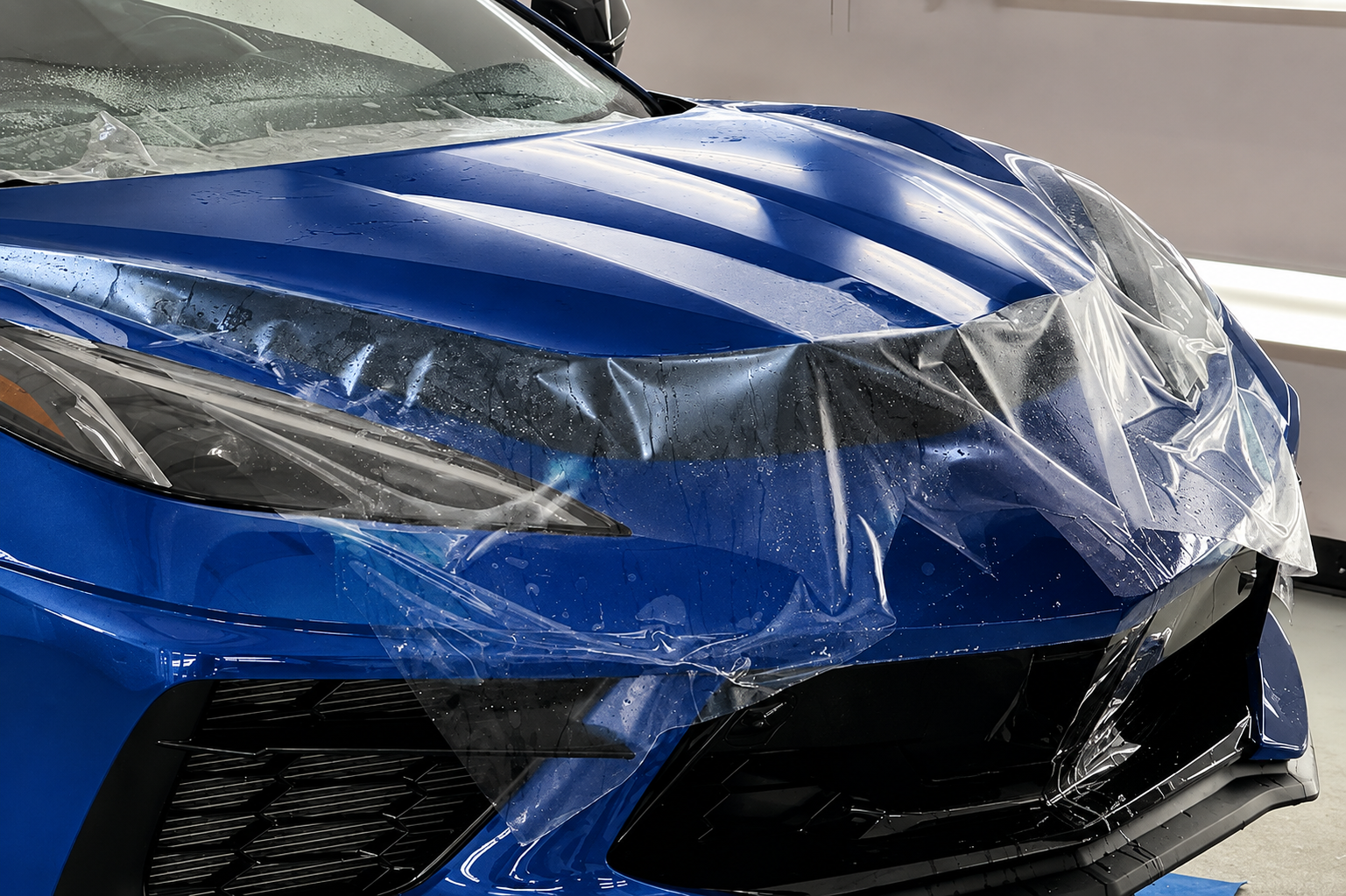
Paint Protection Film (PPF) has become one of the most popular upgrades for car owners who want to keep their vehicles looking as good as the day they left the showroom. Every journey exposes your car to flying stones, road debris, bird droppings, UV rays, tree sap, bug splatter, and harsh weather conditions that slowly damage your vehicle’s paintwork. While regular washing, waxing, and ceramic coatings help maintain your car’s appearance, they cannot stop physical impacts that chip or scratch the paint.
PPF provides a transparent protective layer that absorbs much of this everyday damage before it reaches your vehicle’s original finish. However, because professional installation requires a significant investment, many drivers wonder whether Paint Protection Film is actually worth it.
The answer depends on your driving habits, the value of your vehicle, and how long you intend to keep it. This guide explains everything you need to know about Paint Protection Film, including how it works, its advantages and disadvantages, how long it lasts, and whether it is the right investment for your vehicle.
Paint Protection Film, commonly known as PPF, is a transparent thermoplastic polyurethane film that is professionally installed over a vehicle’s painted surfaces. Unlike waxes or ceramic coatings that create a protective layer on top of the paint, PPF acts as a physical barrier that absorbs impacts before they reach the factory finish.
Modern Paint Protection Film is almost invisible after installation and is engineered to resist yellowing while maintaining exceptional clarity. Premium films also feature self-healing technology that allows light scratches and swirl marks to disappear when exposed to sunlight or warm water.
Most vehicle owners choose to install PPF on high-impact areas such as the front bumper, bonnet, front fenders, mirrors, rocker panels, door edges, and rear wheel arches. Others prefer complete vehicle coverage for maximum protection.
Every time you drive, your vehicle is exposed to hazards that gradually wear away the paint. Tiny stones thrown up by other vehicles, road salt, sand, insects, bird droppings, tree sap, and harsh sunlight all contribute to paint deterioration over time.
Paint Protection Film works by creating a sacrificial layer that absorbs much of this damage before it reaches the original paint. Instead of allowing debris to chip the paintwork, the impact is absorbed by the film itself.
Many modern PPF products also include hydrophobic coatings that repel water and dirt, making routine washing easier while helping the vehicle stay cleaner for longer.
The average cost of purchasing a new vehicle continues to increase every year, making long-term paint preservation more valuable than ever before. Many owners now keep their vehicles for several years, meaning the paint is exposed to thousands of kilometres of driving before resale.
Paint Protection Film has become increasingly popular because it helps maintain the factory finish throughout years of daily driving. Instead of paying for repeated paint correction or expensive repainting, many owners choose to prevent damage before it occurs.
For drivers who take pride in their vehicle’s appearance, PPF offers confidence that the paint remains protected in everyday driving conditions.
One of the biggest advantages of Paint Protection Film is its ability to preserve your original factory paint. Factory paint is extremely difficult to replicate perfectly once damaged, making prevention much more valuable than repair.
PPF also protects against stone chips, minor scratches, road debris, bug splatter, tree sap, bird droppings, road salt, and harmful environmental contaminants that slowly wear away clear coat finishes.
Premium films include self-healing technology that allows fine scratches and swirl marks to disappear with heat, helping maintain a cleaner and smoother appearance without polishing.
Because many Paint Protection Films include hydrophobic properties, they also make routine maintenance easier. Dirt, mud, and water are less likely to stick to the surface, reducing washing time while improving overall appearance.
Perhaps one of the greatest long-term benefits is improved resale value. Vehicles with original paint in excellent condition are often easier to sell and typically attract stronger offers from buyers who appreciate well-maintained cars.
For many owners, the greatest advantage is peace of mind. Whether driving on busy highways, gravel roads, or during poor weather, they know their vehicle has an extra layer of protection against everyday hazards.
Although Paint Protection Film offers excellent protection, it is not the perfect solution for every vehicle owner. The biggest drawback is the initial cost. Professional installation requires extensive preparation, precision cutting, and experienced technicians to achieve a flawless finish.
Installation also takes time because the paint must be properly cleaned, corrected if necessary, and carefully prepared before the film is applied.
Choosing an inexperienced installer can also create problems. Poor installation may result in visible edges, trapped dirt, air bubbles, lifting corners, or contamination beneath the film that affects both appearance and durability.
It is also important to understand that Paint Protection Film protects against everyday driving damage rather than major accidents or severe impacts.
For many vehicle owners, the answer is yes. Paint Protection Film offers long-term protection that helps preserve both the appearance and value of your vehicle. Rather than repairing chipped paint every few years, many drivers prefer preventing damage from occurring in the first place.
PPF is especially worthwhile for new vehicles because it protects the factory paint before damage has an opportunity to develop. It is also an excellent investment for luxury vehicles, sports cars, performance cars, collector vehicles, and daily drivers that spend significant time on highways where stone chips are common.
Owners planning to keep their vehicle for many years often recover much of the investment through reduced paint correction costs and stronger resale value.
Although Paint Protection Film provides excellent protection, it is not always the right investment. If your vehicle already has heavily damaged paint, significant scratches, or multiple repairs, protecting those imperfections may not offer the same long-term value.
Drivers planning to sell their vehicle within a short period may also find it difficult to recover the installation cost.
Likewise, owners working within a limited budget or those primarily interested in easier cleaning rather than impact protection may find ceramic coating or traditional paint sealants to be more suitable alternatives.
Paint Protection Film and ceramic coatings are often compared, but they serve very different purposes. PPF is designed to protect against physical damage such as stone chips, road debris, scratches, and minor abrasions.
Ceramic coating focuses on improving gloss, chemical resistance, UV protection, and water repellency. While ceramic coatings make washing easier and help maintain shine, they cannot absorb impacts or prevent rock chips in the same way Paint Protection Film can.
Many professional detailers recommend combining both products to achieve maximum protection and easier maintenance.
The lifespan of Paint Protection Film depends on the quality of the product, installation standards, driving conditions, and routine maintenance.
Most premium Paint Protection Films last between five and ten years, while some high-quality products may remain effective for even longer when properly maintained.
Regular washing and annual inspections help maximise the lifespan of the film and ensure it continues protecting your vehicle effectively.
The cost of Paint Protection Film varies according to vehicle size, film quality, installer experience, paint condition, and the amount of coverage selected.
Some owners choose to protect only the front bumper, bonnet, mirrors, and front fenders because these areas receive the most road impact. Others prefer complete vehicle coverage for maximum protection.
Although professional PPF installation requires a larger initial investment than waxing or ceramic coating, many owners consider it worthwhile because it helps prevent expensive paint repairs in the future.
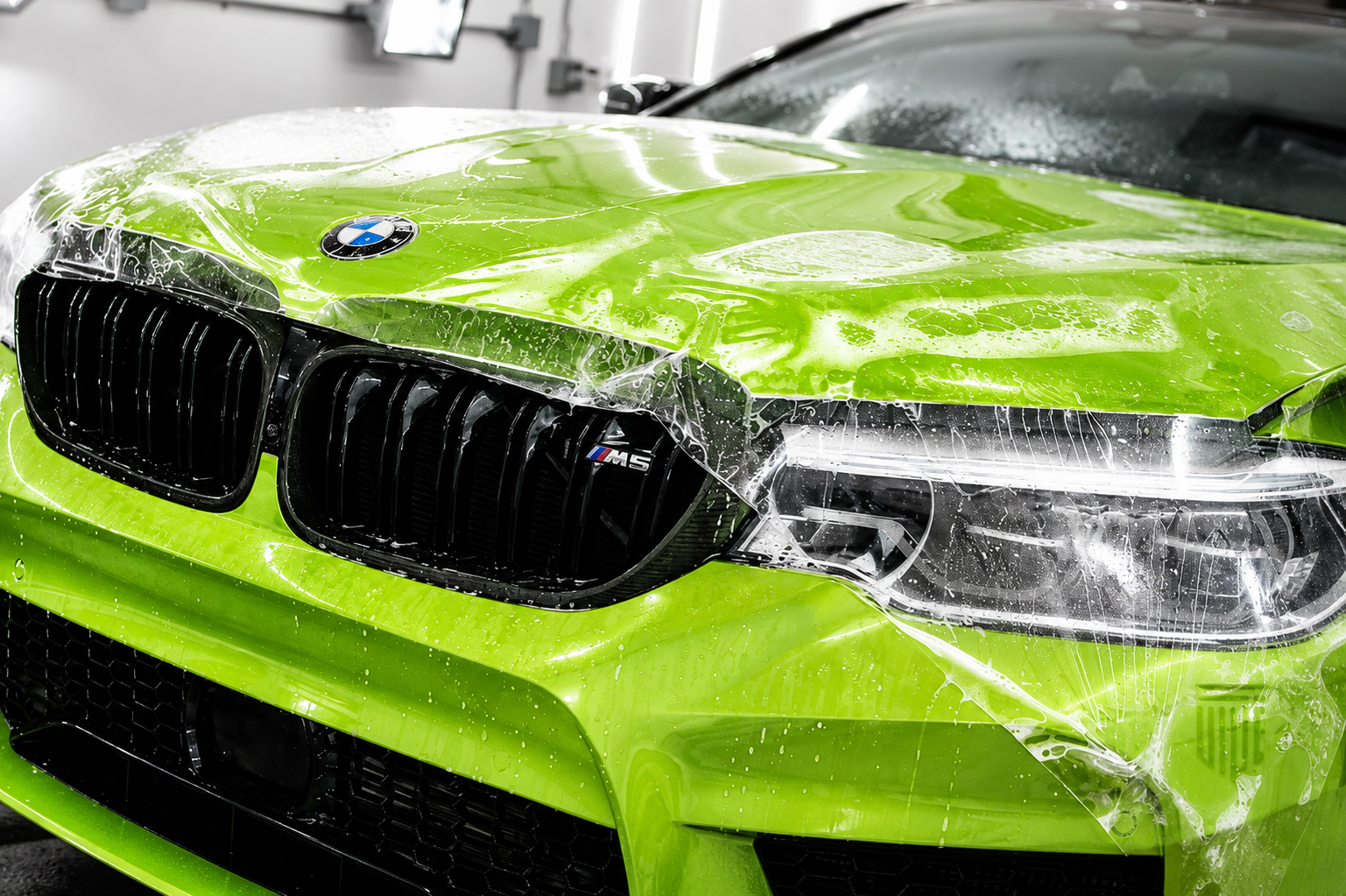
Paint Protection Film has proven itself over many years of real-world use. Vehicles protected with high-quality PPF typically show fewer stone chips, reduced scratching, improved paint preservation, and better long-term appearance than unprotected vehicles.
Although it cannot prevent every form of damage, it remains one of the most effective solutions currently available for protecting factory automotive paint.
Looking to grow your Paint Protection Film (PPF) business online and attract more local customers? I can help.
I am Shofiul Alam Tanvir, a Bachelor’s graduate in Computer Science and a Certified SEO Specialist with 6+ years of professional experience in Local SEO, GEO, On-Page SEO, Off-Page SEO, and Technical SEO.
I have successfully optimized 1,000+ websites, including WordPress, Shopify, Wix, Squarespace, Webflow, eCommerce platforms, and custom-built websites.
My SEO services are specifically designed for PPF installers and paint protection businesses, including advanced keyword research, content optimization, local SEO, technical SEO audits, Google Search Console indexing fixes, Core Web Vitals optimization, schema markup implementation, backlink strategies, and comprehensive SEO campaigns that improve Google rankings, increase organic traffic, and generate qualified leads.
Whether you specialize in Paint Protection Film (PPF), clear bra installation, paint protection services, ceramic coating, window tinting, vinyl wraps, or complete auto detailing, I can create a customized SEO strategy that helps your business rank higher in local search results, dominate competitive keywords, and consistently attract customers actively searching for PPF installation services in your service area.
With a strong focus on local SEO, Google Business Profile optimization, technical SEO, and high-converting content, I help Paint Protection Film businesses build long-term online visibility, outperform local competitors, and generate more phone calls, quote requests, and booked installations from organic search.
Paint Protection Film is one of the best investments available for protecting your vehicle’s paint from everyday driving hazards. Whether you own a brand-new family vehicle, luxury sedan, sports car, SUV, or daily commuter, PPF helps preserve the original finish while reducing future paint correction and repair costs.
Although the upfront investment is higher than traditional detailing products, the long-term protection, improved resale value, easier maintenance, and peace of mind make it worthwhile for many vehicle owners. If you plan to keep your vehicle for several years and want it to maintain its showroom appearance, professionally installed Paint Protection Film is an investment that continues to pay for itself over time.
How long does Paint Protection Film last?
Most premium Paint Protection Films last between five and ten years with proper maintenance, although some high-quality products can last even longer.
Is Paint Protection Film better than ceramic coating?
They serve different purposes. PPF protects against stone chips and scratches, while ceramic coating improves gloss, water repellency, and ease of maintenance. Many owners combine both for complete protection.
Can Paint Protection Film be removed safely?
Yes. Professionally installed Paint Protection Film can usually be removed without damaging the original factory paint when performed by experienced installers.
Is PPF worth installing on a used vehicle?
Yes, provided the paint is still in good condition. Many owners complete paint correction first before applying PPF to preserve the restored finish.
Will Paint Protection Film prevent every stone chip?
No protection system is completely damage-proof, but Paint Protection Film significantly reduces the risk of stone chips, scratches, and everyday paint damage.
Should I protect the whole vehicle or only the front end?
Front-end protection is the most popular choice because it covers the areas most exposed to road debris. Full-body coverage provides maximum protection and is often recommended for luxury, performance, and collector vehicles.
I am Shofiul Alam Tanvir, a top-rated Fiverr, SeoClerk and Upwork freelancer and one of the leading advanced SEO experts in the USA. With over five years of dedicated experience, I specialize in delivering high-impact, data-driven search engine optimization strategies.
©2026. Shofiul Alam Tanvir. All Rights Reserved.
Terms & Conditions
Privacy Policy