

Keeping your vehicle looking new isn’t easy. Daily exposure to sunlight, road grime, bird droppings, bug splatter, and harsh weather can slowly damage your car’s paint and diminish its shine.
That’s why many vehicle owners turn to ceramic coating.
Ceramic coating has become one of the most popular paint protection solutions for drivers who want long-lasting gloss, easier maintenance, and better resistance against environmental contaminants.
But what exactly is ceramic coating, and how does it work?
In this guide, we’ll explain everything you need to know about ceramic coating, including its benefits, how long it lasts, and how it compares to traditional waxes and sealants.
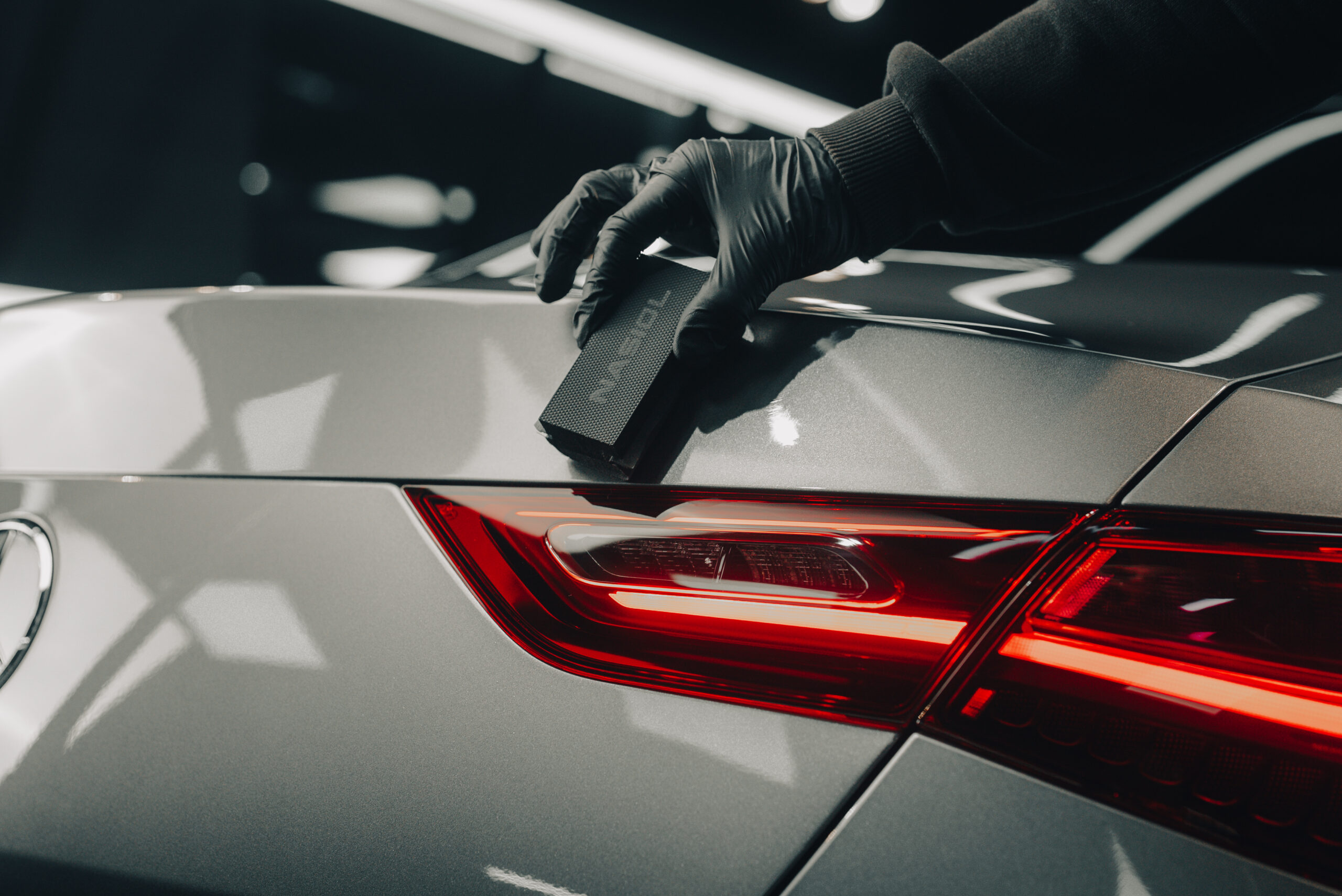
Ceramic coating is a liquid polymer that is applied to a vehicle’s exterior surfaces and chemically bonds with the factory clear coat.
Once cured, the coating creates a durable, transparent layer of protection that enhances gloss and helps defend the paint against environmental damage.
Unlike traditional waxes and sealants that sit on the surface and wear away over time, ceramic coatings form a semi-permanent bond with the paint.
This protective layer can be applied to multiple surfaces, including:
The result is a smoother, more resilient surface that stays cleaner and maintains its appearance for longer.
Ceramic coatings use nanotechnology to create an ultra-thin protective layer that fills microscopic imperfections in the vehicle’s clear coat.
As the coating cures, it bonds with the paint at a molecular level, creating a highly durable surface with increased resistance to contaminants.
One of the most noticeable effects of ceramic coating is its hydrophobic behavior.
Water beads up and rolls off the surface instead of spreading across the paint. Dirt, road grime, and other contaminants also have a harder time sticking to the vehicle.
This hydrophobic effect makes washing and maintaining your vehicle significantly easier.
Ceramic coating offers several advantages beyond simply making your car shine.
One of its biggest benefits is long-lasting paint protection. The coating acts as a barrier between your vehicle and environmental contaminants that can damage the clear coat over time.
Additional benefits include:
For many vehicle owners, the convenience of easier cleaning is one of the most valuable advantages.
Constant exposure to sunlight can cause paint to fade, oxidize, and lose its original depth and clarity.
Ceramic coating helps reduce the effects of ultraviolet radiation by creating an additional protective layer over the paint.
While no coating can completely eliminate UV damage, ceramic coatings help slow the aging process and preserve your vehicle’s appearance.
This added protection is especially valuable for vehicles that spend significant time outdoors.
Everyday contaminants can quickly damage unprotected paint.
Bird droppings, bug splatter, tree sap, road salt, and industrial fallout often contain acidic compounds that can stain or etch a vehicle’s clear coat.
Ceramic coating creates a slick, non-porous surface that makes it more difficult for these contaminants to bond with the paint.
Although contaminants should still be removed promptly, the coating provides an extra layer of defense that helps minimize long-term damage.
One of the most popular reasons people choose ceramic coating is the reduction in maintenance.
Because the coated surface repels water and dirt, washing becomes faster and easier.
Mud, dust, and road grime are less likely to cling to the paint, meaning your vehicle stays cleaner between washes.
Routine maintenance still matters, but ceramic coating reduces the need for frequent waxing and extensive detailing.
Using pH-neutral car shampoos and proper washing techniques will help maximize the coating’s performance and longevity.
Ceramic coating offers impressive protection, but it’s important to understand its limitations.
Ceramic coating is not:
While coatings can help reduce minor wash-induced swirl marks, they cannot prevent rock chips, deep scratches, or collision damage.
For physical impact protection, Paint Protection Film (PPF) is the better option.
Traditional car wax has been a popular paint protection method for decades, but it offers limited durability.
Wax provides short-term gloss and basic protection, typically lasting a few weeks to a few months.
Ceramic coatings, on the other hand, are designed to last much longer while offering greater resistance to chemicals, UV rays, and environmental contaminants.
Compared to wax, ceramic coatings provide:
Although ceramic coatings require a larger upfront investment, many vehicle owners find the long-term benefits worthwhile.
The lifespan of ceramic coating depends on several factors, including product quality, surface preparation, climate, and maintenance habits.
Typical durability ranges include:
Proper maintenance plays a major role in maximizing performance.
Regular washing, proper drying techniques, and periodic maintenance products can help extend the life of the coating.
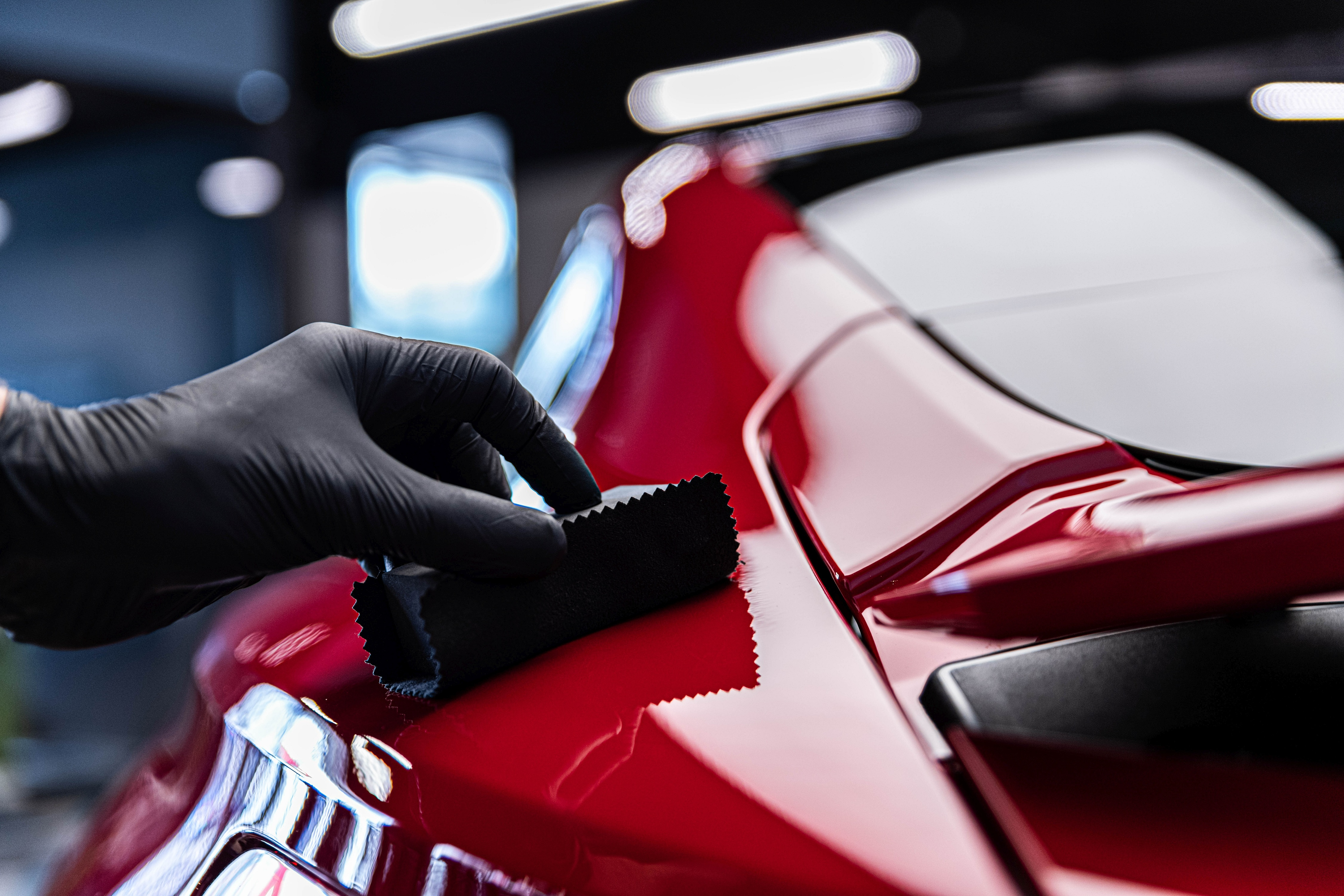
Both DIY and professional ceramic coating options are available, but the results can vary significantly.
DIY coatings are more affordable and convenient for experienced enthusiasts. However, surface preparation is critical, and improper application can lead to streaking or uneven coverage.
Professional installation typically includes:
While professional ceramic coating costs more upfront, it often delivers better durability and appearance.
Preparation is the foundation of a successful ceramic coating installation.
The coating can only bond properly if the paint surface is clean and free from contaminants.
Professional preparation typically includes:
Any imperfections left in the paint before installation will remain visible after the coating cures.
Taking the time to prepare the surface properly ensures the best possible results.
For many vehicle owners, ceramic coating is a worthwhile investment.
It offers long-lasting protection, improves gloss, simplifies maintenance, and helps preserve your vehicle’s appearance.
Drivers who want to reduce the time spent washing their vehicles while maintaining a showroom-quality finish often find ceramic coating delivers excellent value.
However, realistic expectations are important.
Ceramic coating works best when combined with proper washing techniques and routine maintenance.
Ceramic coating is a modern paint protection solution designed to enhance your vehicle’s appearance while making maintenance easier.
Its hydrophobic properties, chemical resistance, and long-lasting durability make it a popular choice for drivers who want more protection than traditional wax can provide.
While it won’t prevent rock chips or eliminate the need for regular washing, ceramic coating offers a reliable way to preserve your vehicle’s finish and keep it looking its best.
Choosing a quality product and ensuring proper application can help you enjoy the benefits of ceramic coating for years to come.If you’re ready to grow your business with results-driven SEO, contact us today for a free consultation.
Ceramic coating can help reduce light swirl marks and minor wash-induced marring, but it does not prevent rock chips or deep scratches.
Depending on the product and maintenance routine, ceramic coatings can last from several months to multiple years.
Yes. Ceramic coating provides longer-lasting protection and eliminates the need for regular waxing.
Yes. Many ceramic coatings are designed for use on wheels, glass, trim, headlights, and other exterior surfaces.
Wash the vehicle regularly using a pH-neutral shampoo, avoid automatic brush washes, dry the surface properly, and use coating-safe maintenance products when needed.
I am Shofiul Alam Tanvir, a top-rated Fiverr, SeoClerk and Upwork freelancer and one of the leading advanced SEO experts in the USA. With over five years of dedicated experience, I specialize in delivering high-impact, data-driven search engine optimization strategies.
©2026. Shofiul Alam Tanvir. All Rights Reserved.
Terms & Conditions
Privacy Policy